
¿La baja testosterona está causando su depresión? La evidencia que necesita saber — Testosterona

¿La testosterona baja está causando su depresión? La evidencia que necesita saber

Aug 6, 2025 | Testosterona

Feeling tired, irritable, or just "off" can be incredibly frustrating. If you're a man struggling with low energy, a persistent low mood, or a lack of motivation, you might blame it on stress or depression. But what if the root cause is hormonal? A growing body of evidence reveals a complex link between low testosterone (Low T) and symptoms of depression, and understanding this connection is the first step to feeling like yourself again. Here, we'll break down the science-backed evidence, explore how these two conditions overlap, and show you the clear, effective solutions available.

The Symptom Overlap: Low T vs. Depression

One of the biggest challenges is that the symptoms of low testosterone and depression can look remarkably similar, making it easy to misdiagnose the problem or miss one of the conditions entirely.

Common Signs of Low Testosterone

Testosterone is the primary male hormone, but it does much more than just regulate sex drive. It's crucial for mood, energy levels, muscle mass, and mental focus. When levels drop below the normal range (typically under 300 ng/dL), you might experience:
  • Persistent fatigue and low energy 😴
  • Decreased sex drive (libido) or erectile dysfunction
  • Mood swings, irritability, or sadness
  • Loss of muscle mass and strength
  • Weight gain, especially belly fat
  • "Brain fog" or trouble concentrating
  • Poor sleep quality
Read more: Por qué la optimización de la hormona del crecimiento es el secreto para dormir mejor

How Depression Often Appears in Men

Depression isn't always about profound sadness. In men, it frequently shows up as anger, frustration, or emotional withdrawal. Men are more likely to throw themselves into work, isolate from loved ones, or develop unhealthy coping habits. Physical symptoms are also common. Research, including a large-scale study using data from the National Health and Nutrition Examination Survey (NHANES), suggests a link between testosterone levels and the somatic (physical) symptoms of depression. Specifically, the study found that in men, very low testosterone was weakly associated with appetite problems, while very high testosterone was linked to sleep problems and tiredness. This highlights a key point: if you're feeling depressed, the physical exhaustion, sleep issues, or changes in appetite you're experiencing could be directly tied to your hormone levels.

The Biological Connection: How Hormones Affect Your Head

So, can low testosterone actually cause depression? The link is more than just a coincidence—it's rooted in your brain chemistry. Testosterone plays a vital role in regulating neurotransmitters, the brain's chemical messengers that control your mood and cognitive function. When testosterone is low, it can throw this delicate system out of balance.
  • Dopamine: Known as the "motivation molecule," dopamine regulates feelings of pleasure and reward. Low T has been shown to reduce dopamine activity, which can lead to a lack of motivation and an inability to feel joy—two classic signs of depression.
  • Serotonin: Often called the "feel-good chemical," serotonin is a key mood stabilizer. Testosterone helps keep serotonin receptors sensitive, so when T levels are low, your mood can suffer.
  • GABA: This neurotransmitter has a calming effect on the brain. Low testosterone can reduce GABA activity, making you more susceptible to anxiety and irritability.

The Vicious Cycle

This creates a frustrating downward spiral. Low T can contribute to symptoms of depression, and the chronic stress, poor sleep, and high cortisol (stress hormone) levels associated with depression can further suppress your body's testosterone production. Many men get caught in this loop, treating one issue without realizing the other is holding them back. Read more: Su primera consulta de terapia con testosterona: Qué esperar y cómo prepararse

Getting Answers: Is It Low T, Depression, or Both?

Because the symptoms overlap so much, guessing is not a strategy. The only way to know for sure if a hormonal imbalance is contributing to your mental health struggles is to get tested. A simple blood test can reveal your total and free testosterone levels, giving you a clear picture of what's happening inside your body. Signs that Low T might be the underlying issue include:
  • Your mood changes are accompanied by low libido or erectile dysfunction.
  • Your depressive symptoms developed gradually alongside physical changes like fatigue or weight gain.
  • You've seen minimal improvement from traditional antidepressants or therapy.
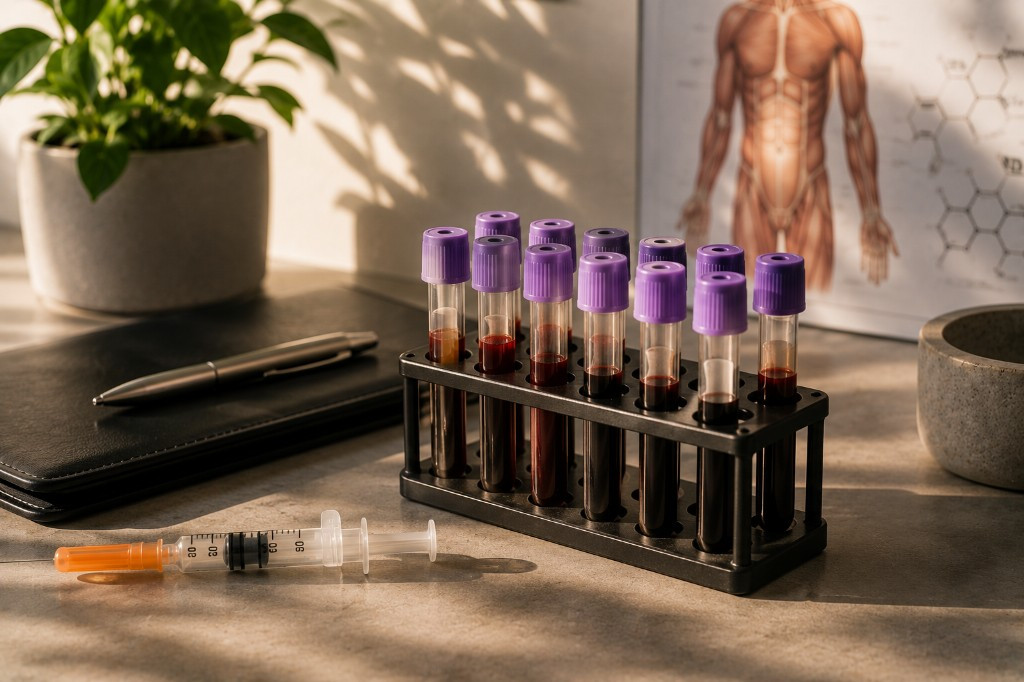
Testing takes the guesswork out of the equation and is the fastest way to find the root cause of your symptoms. Real Solutions to Reclaim Your Health If you discover that low testosterone is a factor, the good news is that there are highly effective treatments available.

How Terapia de reemplazo de testosterona (TRT) Can Help

At Drip Lounge, our Testosterone Optimization Therapy (TOT) is designed to restore balance safely and effectively.

Benefits of TRT for Men:

  • Boosts energy & motivation
  • Improves mood & mental clarity
  • Reduces fatigue & irritability
  • Enhances libido & performance
  • Supports muscle mass & fat metabolism
  • May reduce risk of long‑term depression relapse
One large study found men whose testosterone returned to normal were 36% less likely to have a stroke and 24% less likely to suffer a heart attack.

Supportive Lifestyle Changes

Alongside medical treatment, certain lifestyle habits can support both your mood and your hormone levels:
  • Strength Training: Lifting weights is a proven way to naturally boost testosterone.
  • Balanced Diet: Focus on healthy fats, lean protein, and nutrient-rich foods.
  • Prioritize Sleep: Aim for 7-9 hours of quality sleep per night, as sleep deprivation crushes testosterone levels.
  • Manage Stress: Practice mindfulness, exercise, or hobbies to keep cortisol in check.
Read more: Cómo los sueros IV le ayudan a quemar grasa y a recuperarse más rápido

FAQs About TRT and Depression

  1. Can testosterone therapy help with depression? Yes. Research shows TRT reduces depressive symptoms in men with clinically low testosterone, especially when mood issues stem from hormonal imbalance.
  2. Once you start testosterone therapy, can you stop? You can, but stopping TRT without medical guidance may cause your levels (and mood) to drop again. Always consult your provider before making changes.
  3. What are the ideal testosterone levels on HRT? For most men, 600–900 ng/dL is considered the “sweet spot” for both physical and mental health benefits.
  4. Is TRT safe long‑term? Yes, when monitored by professionals. At Drip Lounge, we regularly track labs and adjust your therapy for maximum safety.
  5. How soon will I feel results from TRT? Many men notice mood and energy improvements within 3–4 weeks, with continued benefits over several months.

📞 Take the First Step Today

If you’ve been battling fatigue, low mood, or loss of motivation, don’t ignore it. Low testosterone could be the missing link. 👉 Book your testosterone consultation today at Drip Lounge in New York and reclaim the energy, focus, and confidence you deserve. Our Services:
Volver a Testosterona
Dra. Megan Nickerson, DNP, sonriendo en un entorno clínico luminoso

Conozca a Megan

Dra. Megan Nickerson, DNP

Proveedor médico verificado (DNP)

Doctor y socio director | Drip Lounge

Estamos increíblemente orgullosos de contar con Megan al frente de nuestra atención clínica. Conocida por su sonrisa contagiosa y su inquebrantable profesionalismo, se ha ganado la reputación de ser una experta profundamente confiable que hace que cada cliente se sienta seguro y atendido.

Nosotros

La Dra. Nickerson aporta más de una década de experiencia clínica práctica: desde unidades de trasplante y cuidados intensivos hasta gastroenterología, reumatología y servicios de infusión especializados. Su transición al bienestar no fue un alejamiento de la medicina; fue una extensión de ella. En Drip Lounge, aplica la misma disciplina diagnóstica y los mismos estándares de seguridad que desarrolló en entornos hospitalarios de alto riesgo para brindar una atención reflexiva, precisa y profundamente personalizada.

NPI Registry: 1275999047

Contáctenos ahora

(845) 391-0338 | info@driploungehealth.com
5177 Route 9W, Suite 2, Newburgh NY 12550

Detalles de contacto

Su mensaje